

What Statement Does Your Garage Make?
For many visitors, the parking garage creates the first impression of a building. Performing routine maintenance provides a cleaner, safer, and more welcoming atmosphere. However, the parking garage is often the least maintained part of a facility, even though it is typically exposed directly to the weather—unlike the rest of the building.
As a result, garages require more attention. Because the garage is not a destination but rather a transfer point, maintenance is often overlooked. It is also disruptive to ask residents to move their cars for several days. The thought alone can be discouraging. After all, if there were ample parking elsewhere, a garage wouldn’t be necessary.
Maintenance is intended to delay future major garage repairs by addressing smaller issues before they become larger, more costly problems. Industry associations and product manufacturers offer guidance for developing maintenance plans tailored to your garage. Experts suggest budgeting between $35 and $500 per space annually for routine maintenance and future repairs.
Garages contain many systems beyond the structure itself, including HVAC, electrical, plumbing/drainage, elevators, landscaping, lobbies, and security systems.

Several items to consider when developing your maintenance plan for each system are listed below.
Structural maintenance is primarily aimed at protecting concrete and steel from water and deicing chemical damage. Key items include:
- Flush and clean driving surfaces and drains at least twice a year (spring and fall) to remove dirt and deicing chemicals. This may include hydro jetting drainpipes to ensure proper flow. Include all garage levels—not just exposed surfaces—and don’t forget stairways.
- Annually inspect moisture protection systems, such as membrane deck coatings, for wear, tears, bubbling, or separation. Check sealant joints for failures and look for cracks that allow water intrusion. Dripping water or mineral deposits on cars below can indicate membrane failure.
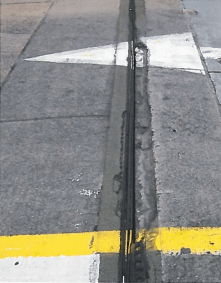
- Inspect expansion joints in the spring, as they are often damaged during snow removal.
- Several times a year, check for spalled concrete, corrosion stains, and white mineral deposits. At the same time, look for life-safety issues such as damaged cable barriers, loose handrails, and trip hazards.
- Recoat deck membranes approximately every five years. This may involve a full recoat or targeted application in high-wear areas such as drive aisles, ramps, and turning zones.
- Hire professionals to perform a comprehensive garage evaluation every three to five years. Annual inspections may be necessary for garages over ten years old or those with deferred maintenance.
Other system maintenance typically includes:
- General cleaning, painting, door and hardware repairs, and elevator maintenance.
- Electrical systems: clean and replace light fixtures, test emergency lighting, and replace corroded conduits.
- Parking access, security, and CCTV systems should be updated as technology evolves.
- Ventilation systems must be maintained. Carbon monoxide detectors typically require replacement every five years.
- Painting: fire sprinkler pipes may sweat in humid conditions and can corrode. Metal stair treads are also prone to corrosion.
- Inspect aesthetic elements such as signage and striping.
- Address water intrusion through perimeter walls promptly, especially in underground garages.
Do not rely solely on a static reserve study to determine when garage systems require repair or replacement. Conditions change over time, and real-world observations should guide decisions.
Many problems can be inexpensively remedied if addressed in a timely manner.
Neglecting maintenance or performing improper repairs will shorten the life of the structure and its systems. Start a maintenance program today and ensure your garage makes a positive first impression.