

Timber Retaining Walls
 Preservative (pressure) treated wood is among the most common materials used in the construction of retaining walls. Ground-contact rated is standard for that use, but a GC label doesn’t tell the entire story. The important factor is preservative retention – the amount of chemical that remains in the wood after treatment, usually expressed as pounds per cubic foot or PCF. Optimum levels vary with the chemicals used and some products considered suitable for ground contact have retention levels that are less than desirable for retaining walls.
The American Wood Protection Association (AWPA) lists three categories for ground contact use, General Use (UC4A), Heavy Duty (UC4B) and Extreme Duty (UC4C). Heavy Duty protection would be suitable for most circumstances. Extreme Duty would be appropriate in such locations as freshwater lake or pond side walls. AWPA has separate categories for use in marine (saltwater) environments.
The timbers most used in retaining walls measure six by six or eight by eight inches in cross section and full preservative saturation is difficult to achieve in material that thick. Consequently, the central portions are less protected and decay (rot) can occur deep within the wood before there’s any visible evidence of distress. So-called Ground-Contact-rated, forty-year timbers can experience advanced deterioration within as few as fifteen years, while appearing sound.
In order to truly evaluate timber retaining walls it’s often necessary to sample the material by extracting full-depth cores with a specialty bit. Usually, a simple visual examination is sufficient to determine the level of degradation. Sounding (with a hammer) can reveal advanced decay. Rot reduces wood to dust, which will produce a hollow sound if sufficient wood has been compromised.
 Dust clouds created while mixing concrete, jackhammering or cutting concrete sidewalks, tuckpointing, and sawing masonry blocks will soon be a thing of the past. The Occupational Safety and Health Administration (OSHA) will begin enforcing new regulations concerning worker’s exposure to silica dust on September 23, 2017. Silica dust is commonly produced when working with concrete, brick mortar, tiles, cement board, and many other common building materials. Long term exposure to silica dust can lead to the development of lung cancer, silicosis, and other permanent conditions with long lasting consequences. Because silica dust is so prevalent, the new regulations will impact many different industries including many facets of construction. Complying with these regulations will potentially impact, property owners, engineers, contractors, and other individuals, in many ways including the cost of construction work.
 Wood construction is no longer constrained to low rise buildings and single-family homes. New uses are emerging resulting from an expanded interest in wood with new trends impacting construction. Tall wood construction has resulted in multiple high-rise wood buildings around the world from the


 Is your concrete peeling or flaking in localized areas? Are you noticing rough, aggregate surfaces in your concrete that haven’t been there before, particularly after the latest round of winter weather? If so, your concrete may be experiencing a condition called scaling.
 Have you noticed dry, powdery deposits on the concrete elements in your community? Or have you walked across concrete and had a white, dust-like powder follow you? If so, your concrete may be experiencing a condition called dusting.
 A common deterrent to personal enjoyment in multi-family buildings is sound transmission.
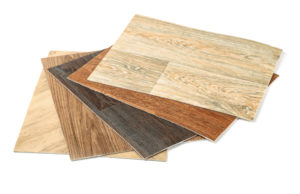 Installing linoleum or similar covering directly on concrete floors can be problematic if there is moisture in the slab. This is especially a concern with on grade slabs where there may be moisture under the slab that can permeate upward. Linoleum and similar floor coverings act as a barrier that can cause moisture to be trapped under the flooring. When this happens, the floor covering can unbond, warp and become a serious hazard.
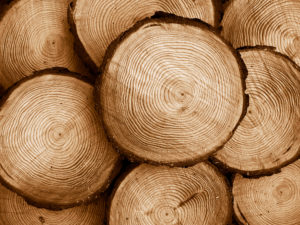 Researchers at the University of Maryland have found a way to make wood transparent, which could change the way that we utilize this building material.
 We recently ran into an unusual item at a property – two hour, fire rated windows. The assemblies looked like “regular” windows but after some digging through the building drawings, it was determined that the windows were fire rated. The building code requires that exterior building walls within ten feet of a property line must be constructed using recognized fire rated assemblies. This includes the glazing.