

Preparing Your Building For Hurricane Season
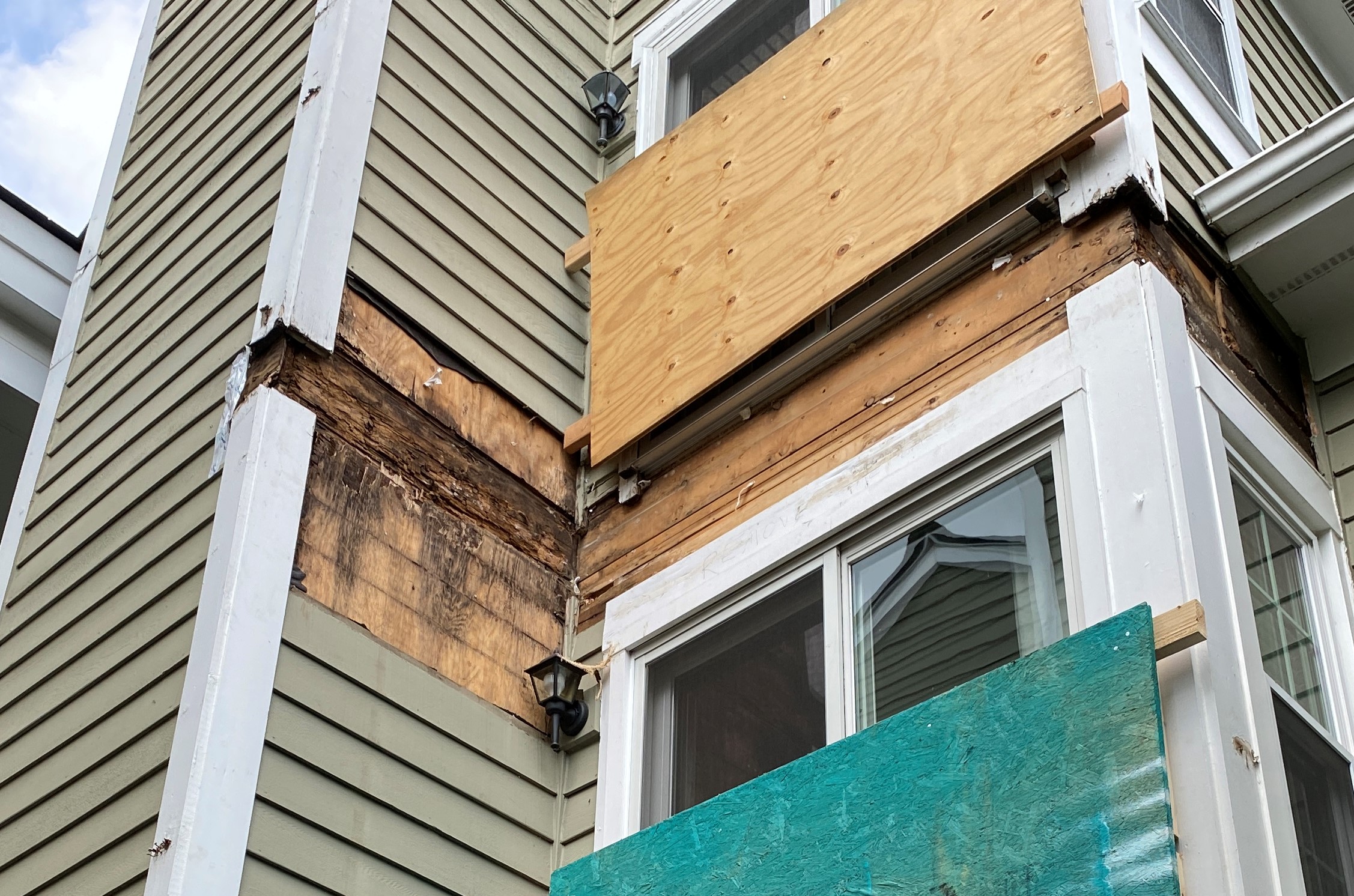
 As the hurricane season is fast approaching, it makes sense to have an architect and engineer look at possible areas of damage/water intrusion in your building. This is the perfect time to address these issues before any damage is caused to your building due to heavy rains and/or high winds.
Here is a list of areas to inspect before the next rainstorm.
- Site Grading; Making sure that the soil is sloping away from the building;
- Building and Site Drains; Ensure that the drainage provisions (such as roof gutters, downspout, landscape drains) are clear of debris and are operational. If the gutter terminates at the building foundation, consider extending it away from the building.
- Exterior Cladding; Ensure that the building facade components are adequately secured to the building, such as gutters, downspouts, metal coping, canopy, cornices and are not loose or partially detached.
- Sealants; Ensure that an excessive opening in the sealant joint is visually inspected and repaired.
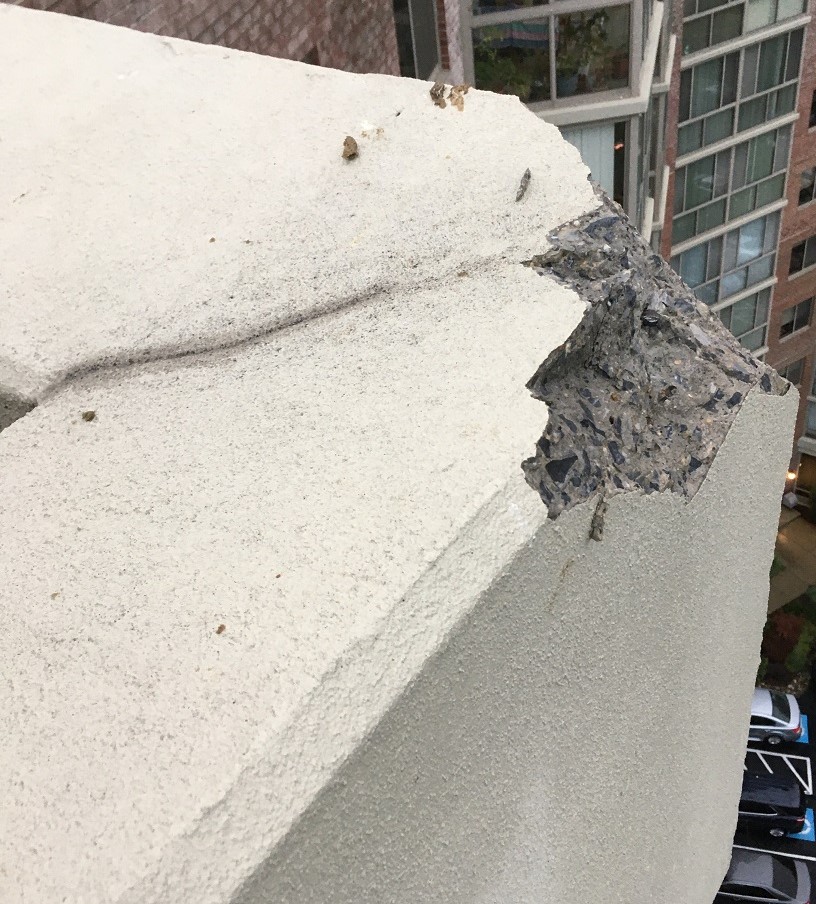
- Roofing; Inspect roofing membrane and associated components (joints, penetrations, parapet wall caps, chimneys, etc.) to help assure that these components are intact and watertight.
The wind driven rains can be very unpredictable and can cause damage. However, larger damage to the building can be avoided/minimized, if the above mentioned areas of concern are addressed before a major rainstorm.
 Have you ever seen someone tapping a concrete wall with a hammer? Or dragging a chain along a concrete floor? These are a couple of the conventional methods for evaluating concrete- that is, identifying and locating unsound or “loose” concrete. These methods are known to be noisy and typically require close-up, physical access to the concrete surfaces. You might wonder is this the only efficient way to evaluate concrete?

 Two recurring complaints of residents in multi-family buildings are related to

 As Hurricane Dorian bears down on the Atlantic Coast, many are preparing for its arrival. It seems like common sense to be sure that all exterior windows and doors to your house/building are closed. In fact, studies have shown that open windows/doors increase the wind pressure acting on a building roof, beside letting in the rain to damage the building interior. This led to the development of so-called Hurricane Windows. These windows can resist the force of a flying 2×4 and other debris so that the wind and rain do not enter the house.
 Words can have a number of meanings and can even change meanings with time. This is especially true of terms specific to a technology or industry. Following are definitions of a few roofing and paving terms that people outside those trades (such as board members) may hear and not fully understand.


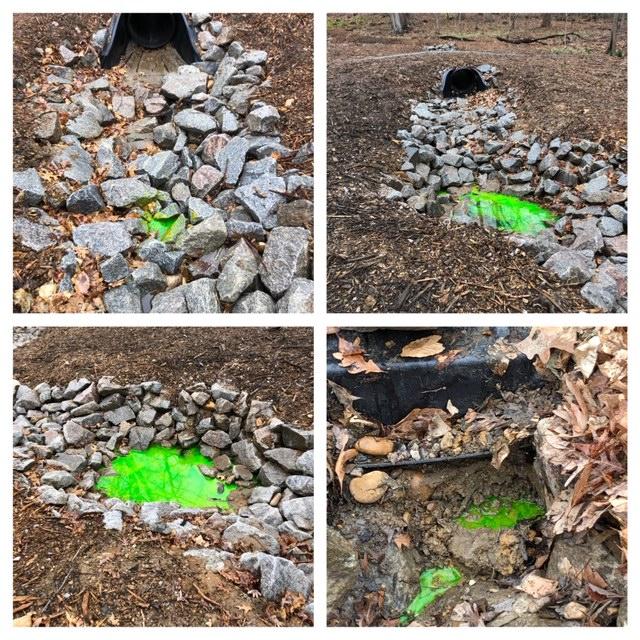
 This is not a radioactive fluid spill! We just used a fluorescent green biodegradable dye to see if water was flowing under, rather then through the culvert. It turned out that water was flowing under the pipe through the gravel setting bed. We have more dye left if you need to know where water is coming from or going to.
 Alfred Hitchcock had bird issues (especially seagulls), but in the Baltimore-Washington area, the most common pest birds are pigeons, house sparrows, and starlings. These birds are undesirable if they land, roost, and nest on or in our buildings because they bring unwanted noise, odor, and often disease. Plus, no one likes their deck, patio, lawn furniture, or other belongings adorned with bird droppings.
 Have you ever seen that yellow sign before driving over a bridge that says, “
